
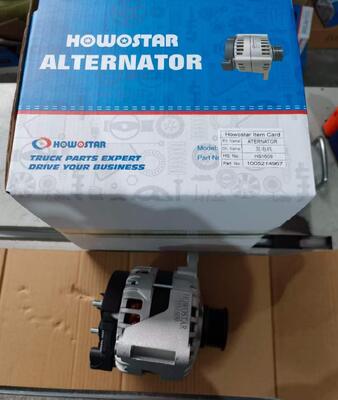
HOWO Alternator China Truck Alternator OEM HOWOSTAR Generator
-
Highlight
HOWO truck alternator OEM
,China alternator generator
,HOWOSTAR alternator with warranty
-
Place of OriginCHINA
-
Brand NameHOWOSTAR
-
Model Number1005214967
-
Minimum Order Quantity1pc
-
PricePrice to be negotiated in person
-
Packaging DetailsPackages in Carton
-
Delivery Time5-7days
-
Payment TermsL/C, T/T, Western Union
-
Supply Ability1000pcs per day
HOWO Alternator China Truck Alternator OEM HOWOSTAR Generator
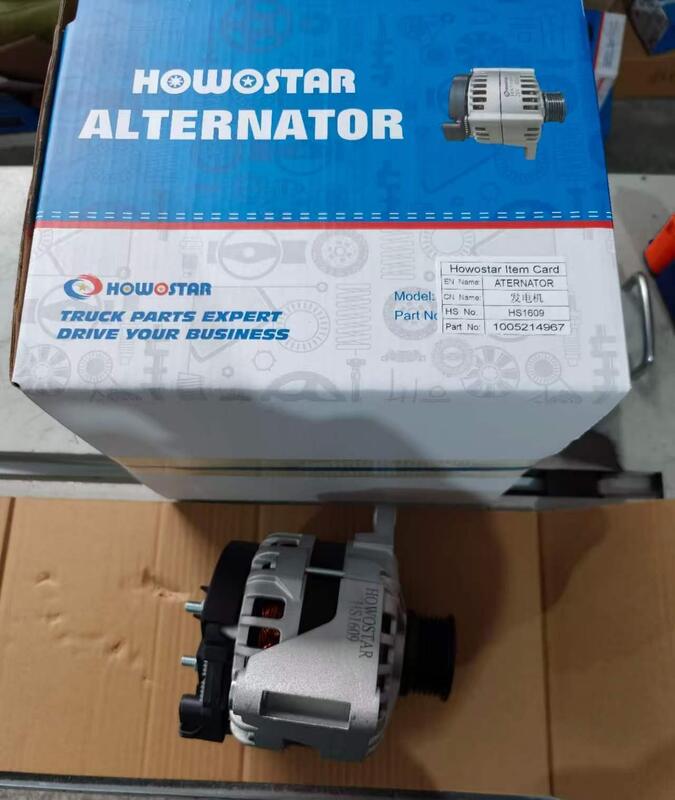
HOWO alternator, China Truck Alternator, OEM Alternator, HOWOSTAR generator
Key Functions and Advantages
- Power Supply for Essential Systems:
The alternator powers critical systems such as the headlights, taillights, interior lighting, and other auxiliary components that require electricity.
It also charges the truck's battery, ensuring that the battery remains fully charged and ready to start the engine when needed.
- Dependable and Efficient:
Designed specifically for use in trucks, the alternator is engineered to be reliable and efficient, providing consistent electrical power under various driving conditions.
- Automotive Integration:
The alternator seamlessly integrates with the truck's electrical system, ensuring compatibility and optimal performance.
- Maintenance-Friendly:
Regular maintenance, including inspections and replacement of worn parts, can help maintain the alternator's performance and extend its lifespan.
- Environmental Compliance:
Modern alternators meet strict environmental standards, minimizing emissions and contributing to a greener transportation system.
Operating Principle
The alternator operates on the principle of electromagnetic induction. As the engine's crankshaft rotates, it drives the alternator's rotor, which creates a rotating magnetic field. This magnetic field induces an AC voltage in the alternator's stator windings, which are stationary. The resulting AC voltage is then rectified (converted to direct current, DC) if necessary, before being distributed to the truck's electrical systems.
- Precautions
Confirming the Model Number: Before purchasing or replacing, be sure to check the complete model number on the vehicle's nameplate or the old component to ensure an exact match with 1005214967. There may be slight variations for vehicles of different model years or specifications.
Installation Recommendation: When replacing the alternator, it is recommended to also inspect and replace the alternator belt (the timing belt or accessory belt) to ensure the reliability of the entire system.
Our products are sold all over the world, you can rest assured.
